Frequently asked questions
Keys, cylinders and the questions that come before the call.
Eleven questions we are asked most often in Maple and around it, answered plainly.
The eleven questions
Answered plainly
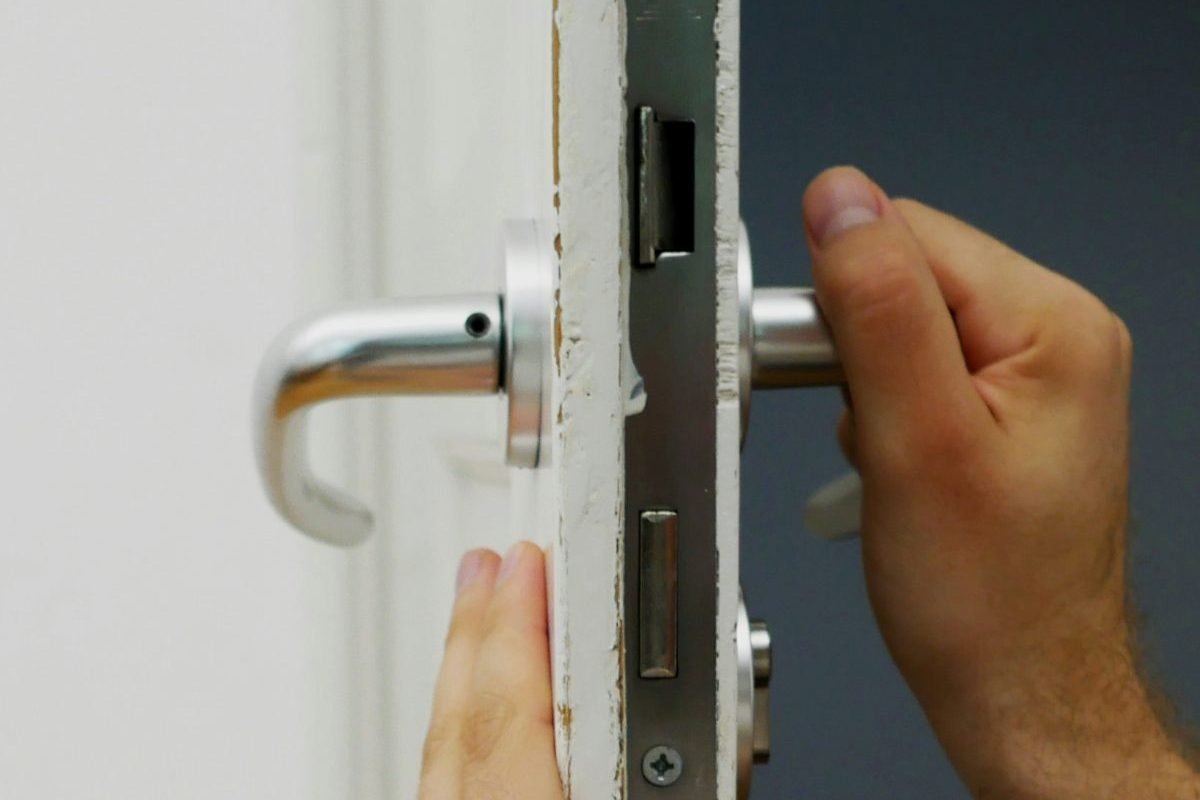
Most of the answers below come from doing this work at the door, every day.
Locking my door has become hard work and I have to force the key. It used to work fine, so what changed?
Doors are built from wood, and wood reacts to the swing between a humid Ontario summer and a dry cold winter. As the slab and the frame move, the door falls out of alignment and the bolt stops meeting the strike plate cleanly. The repair is usually an adjustment rather than a new lock. Maple Locksmith will look at the door and tell you which of the two you actually need.
The key is stiff and hard to turn. Should I keep forcing it?
No. Forcing a stiff key is exactly how keys snap off inside a cylinder, and that turns a small job into a much bigger one. Re-keying the cylinder with the correct pin heights usually clears the problem. Call Maple Locksmith before the key breaks, not after.
My key has stopped working the way it should. What is behind that?
In most cases the cylinder has seized, dried out or lost its lubrication. Sometimes the key itself has worn down and has to be cut to code, and sometimes the cylinder needs re-keying instead. We carry both the code machine and the pinning kit on the truck, so the diagnosis and the fix happen in one visit.
Can I spray WD-40 into a door lock?
Please do not. It coats the moving parts, then attracts dust and grit, which brings the lock closer to failure rather than further from it. Use a Teflon or silicone based lubricant instead, and apply graphite carefully on residential and commercial cylinders.
I have to shake the key to make it work. Is there a solution?
A key cut to code usually solves it, because a worn copy of a copy no longer matches the pin heights inside. If the lock still misbehaves afterwards, the cylinder itself needs re-keying. Ask us about re-keying the whole house onto one key while we are already there.
Can one key open all of my locks?
Very often yes. If your key already slides into each lock, those cylinders can be keyed alike. Where the doors carry different brands, some cylinders have to be swapped first so they share a keyway. We set up keyed-alike houses in Maple, Kleinburg and Richmond Hill regularly.
My keys are lost. Do I have to buy all new locks?
Almost never. Re-keying changes the internal combination so the missing keys no longer open anything, at a fraction of the cost of replacing every lock in the house. We recommend replacement only when the hardware is worn out or too weak for the door it sits in.
Can new locks be made to work with the keys I already carry?
Yes. We supply new locks and key them to your existing key, so nothing on your keyring has to change.
What exactly is a master key?
It is a second key that opens a defined group of locks, while each individual key still opens only its own door. Landlords, offices and warehouses across York Region use master keying so one person can reach every unit without carrying twenty keys.
Is there a key that opens absolutely every lock?
No. The skeleton key belongs to the past. A master key works only inside the system it was built for, and it opens nothing outside that system.
What warranty comes with your work and your products?
Warranty terms come from the manufacturer, so each product carries its own coverage and its own period. We tell you what applies before you buy, and it is worth reading through the terms on any hardware you choose.
If the question you have is not here, the phone is a faster route than the internet. Call 647-299-0858 at any hour.
Locked out? Need a locksmith? Call today.
One number reaches the locksmith directly, any hour of any day. You will know straight away how soon somebody can be at your door.